Introduction
Cyber threats evolve in line with technological advances. As we make strides with new security measures, people find ways to get through the cracks.
In 2025, emerging risks and evolving attack methods will continue to challenge how we protect data and systems.
In this POV, we will explore the key cybersecurity trends shaping the future of digital security in 2025.
1 – Rise of AI-Driven Cyber Threats
Artificial intelligence (AI) has been a game-changer for cybersecurity, both as a tool for defence and as a weapon for attackers.
It is likely we will see a surge in AI-driven cyberattacks, where malicious actors use machine learning (ML) algorithms to identify vulnerabilities, mimic legitimate users, create malicious code (malware), and bypass traditional security measures.
Organisations will need to adopt AI-powered defence systems that can predict, identify, and counter cyberattacks in real-time. Additionally, continuous monitoring and advanced threat intelligence will become essential components of a strong cybersecurity strategy.
2 – Quantum Computing and Cryptography Challenges
Quantum computing promises immense computational power, but it also poses a significant threat to current encryption standards. In 2025, we may see early-stage quantum computers capable of breaking traditional encryption methods, making quantum-resistant cryptography a pressing priority.
Governments and enterprises will accelerate research into post-quantum cryptography. Critical industries will need to update their encryption protocols to protect sensitive data.
3 – Cybersecurity Talent Shortage Intensifies
The demand for skilled cybersecurity professionals is already outpacing supply, creating a significant talent gap.
As cyber threats grow in complexity and scale, organisations require experts in a range of areas such as AI-driven threat detection, incident response, and zero trust implementation.
The following factors contribute to the shortage:
4 – Innovating Cloud Security
Cloud security advancements are expected to be a central focus in cybersecurity in 2025. As more organisations transition to the cloud, securing cloud infrastructures and ensuring accurate, secure cloud configuration will be critical.
12% of breaches in 2024 originated due to cloud misconfiguration and cost an average of $3.98 million.
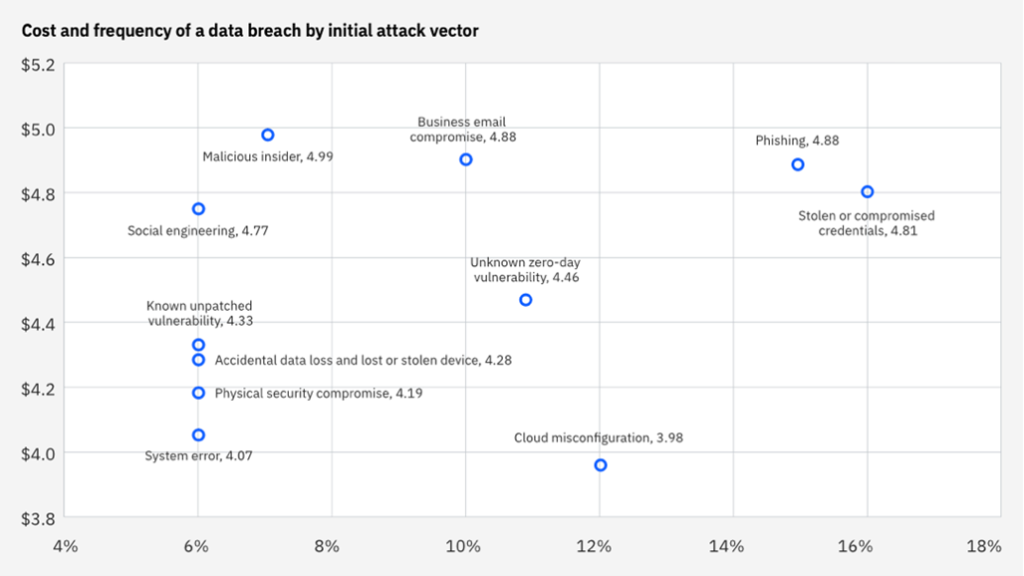
Key cloud security developments will include more advanced encryption techniques to protect data both in transit and at rest, improved identity and access management (IAM) tools, and greater use of AI to automate threat detection across hybrid-cloud environments.
Additionally, businesses will adopt stronger multi-cloud security strategies, ensuring comprehensive protection across various cloud providers to mitigate risks and enhance resilience against cyber threats.
5 – Zero Trust Architecture (ZTA)
The Zero Trust model, which operates under the principle of “never trust, always verify”, has gained traction in recent years. By 2025, Zero Trust will likely become the standard approach to securing networks, especially with the growing prevalence of remote work and hybrid environments.
Businesses will implement stronger identity verification methods, adopt micro-segmentation strategies, and enhance real-time access control to better secure their networks and data. Investments in endpoint security and Secure Access Service Edge (SASE) solutions will increase to address growing cybersecurity challenges.
Solutions
Organisations must embrace advanced technologies and invest in talent development to tackle growing cybersecurity challenges. By focusing on innovation and collaboration, businesses can strengthen their defenses and secure a safer digital future.
Automation and AI: Reducing the burden on cybersecurity teams by automating routine tasks and enhancing efficiency. Automated processes can outline recovery steps, raise alerts when required, and create compliance reports to document the event.
Upskilling Programs: Providing current employees with opportunities to learn advanced skills to increase their range of coverage and start to bridge the security skills gap.
Staff Education: Continuously educating staff about emerging threats reduces the risk of them creating an attack vector of themselves. Being aware of the latest scams and phishing trends, as well as any other suspicious activity means they are less likely to fall victim and expose the organisation to a breach.
Global and Peer Collaboration: Sharing resources and expertise with industry peers can help tackle the global (and local) nature of cyber threats. Understanding the warning signs, vulnerabilities, and recovery processes will help protect against and respond to growing and emerging threats.
Get in touch for more information about Cybersecurity in 2025